
Greenville, South Carolina has become one of the most talked-about places to live in the Southeast, and for buyers moving here from out of state, the city often turns out to be exactly what they hoped for: a walkable downtown, easy access to the Blue Ridge foothills, and a cost of living that still feels reasonable compared to larger metros. If you are planning a move to Greenville, here is what you should understand before you start touring homes.
Where Greenville Buyers Actually Look
The city of Greenville sits in the center of Greenville County, and most buyers end up choosing between three broad options: in-town neighborhoods close to downtown, established suburban areas, and newer construction on the edges of the county.
Downtown and the Near-Downtown Neighborhoods
Homes closest to Main Street and the West End tend to be older, including bungalows, mill-era houses, and renovated cottages on smaller lots. Buyers pay for location and walkability here, and inventory is limited, so you should expect to move quickly when the right house appears.
Established Neighborhoods Inside the City
Areas like the neighborhoods around Augusta Road and the mid-century pockets along the city's edges offer larger lots and a wider range of home styles. These areas appeal to buyers who want more square footage and a yard without giving up a short drive into town.
Newer Construction Further Out
As you move outward toward Simpsonville, Mauldin, Greer, and Fountain Inn, new-build communities become the dominant option. You get floor plans designed for modern living, but you also get HOA dues, longer drives, and construction timelines to plan around.
What to Know About the Buying Process in South Carolina
A few things matter more here than newcomers realize:
- Due diligence and earnest money are negotiated separately. Understand both periods before you sign anything.
- Property taxes, insurance, and HOA dues vary significantly by location, so compare total monthly cost rather than list price alone.
- Inspection findings in an older Greenville home often involve the things you would expect: roof age, HVAC age, plumbing updates, and crawlspace moisture.
Get Pre-Approved Before You Tour
In most price ranges and most neighborhoods, a pre-approval letter is what gets your offer taken seriously. Get it before you start touring, not after you find the house you want. Your lender confirms your budget, and your agent can then focus only on homes that actually fit it.
What It Costs to Live Here Beyond the Mortgage
Your monthly number is more than principal and interest. Budget for property taxes, homeowners insurance, HOA dues if applicable, and utilities. In Greenville's climate, summer cooling and winter heating both run through the year, so ask for the last twelve months of utility bills when you tour. Sellers can usually provide them.
Working With a Local Agent
Greenville is a market where local knowledge changes outcomes. Which streets take on water, which builders have a reputation for quality, which neighborhoods hold their resale value, and which listings are priced to sit: none of that shows up on a listing page. A local agent can tell you before you commit.
Start by browsing homes for sale in Greenville, then look at the surrounding communities, including Simpsonville, Mauldin, Greer, and Fountain Inn, to see how far your budget stretches in each.
Next Step
If you are getting ready to buy in Greenville or anywhere in the Upstate, the best first move is a conversation. Kyle Sizemore works with buyers across Greenville and the surrounding Upstate South Carolina market and can walk you through neighborhoods, timelines, and pricing before you commit to anything.
Contact Kyle to set up a time to talk, or search active listings right now.
FROM OUR BLOG

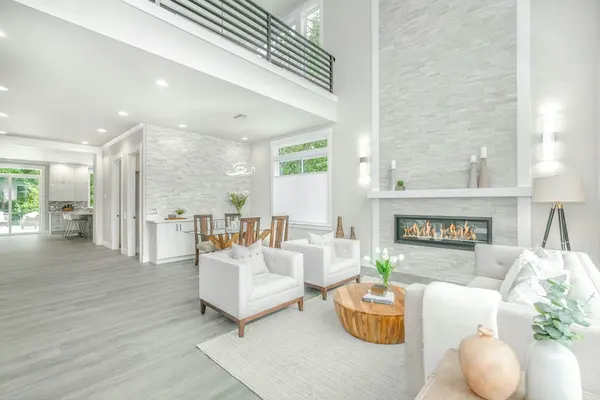
Selling Your Home in Greenville, SC: Preparation, Pricing, and Marketing Tips
Selling a home in Greenville is not simply a matter of putting a sign in the yard and waiting. The homes that sell quickly and at strong prices are almost always the ones that were prepared, priced correctly, and marketed deliberately. Here is how to approach each of those three, in order.1. Prepara
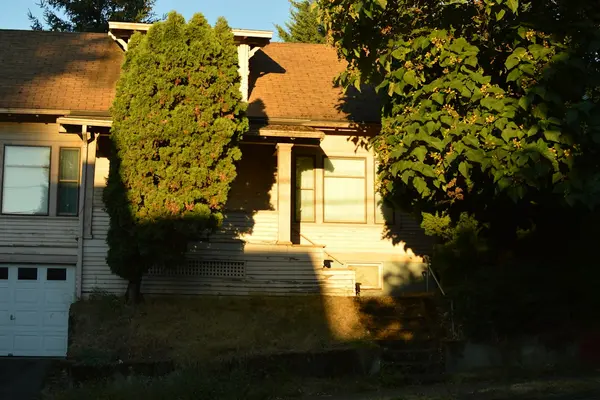
Buying a Home in Simpsonville, SC: What Buyers Should Know
Simpsonville sits just southeast of Greenville in Greenville County, and for a lot of buyers it answers a common question: how do I get a larger home, a real yard, and a manageable commute? The city has grown steadily, and its housing stock reflects that, with a mix of established neighborhoods and