
Fountain Inn is one of the Upstate's smaller cities, and that is exactly the point for many buyers. Sitting along the border of Greenville and Laurens counties, it offers a downtown with genuine small-town character, easy access to the I-385 corridor, and a housing mix that ranges from historic in-town homes to newer subdivisions and acreage on the edges.
Where Fountain Inn Sits, and Why It Matters
Fountain Inn's position between Greenville and Laurens counties gives residents two directions to work with. The I-385 corridor puts Greenville and its employment centers within a straightforward commute, while the Laurens County side opens up more rural land and a quieter pace. For buyers who want small-town living without being isolated, that geography is the main draw.
Downtown and In-Town Living
Fountain Inn's downtown is compact and built around a genuine Main Street, the kind of place where you recognize people. Homes closest to downtown tend to be older: bungalows, mill-era houses, and cottages, many of them renovated over the years. Lots are typically smaller, and the appeal is proximity to the center of town rather than acreage.
Newer Neighborhoods and Subdivisions
As you move out from downtown, newer construction takes over. These communities generally offer larger homes, current floor plans, and amenity packages, with HOA dues and community rules attached. If you are comparing subdivisions, read the covenants. Rental restrictions, architectural review requirements, and fencing rules differ from community to community and can affect both how you live there and how easily you resell later.
Land, Acreage, and the Rural Edges
Head toward the Laurens County side and the surrounding rural areas and you find something Fountain Inn does particularly well: larger tracts, small farms, and properties with room for a workshop or outbuilding. Buyers who want space, privacy, or a place to keep equipment often find more of it here per dollar than closer to Greenville. The trade-off is that some of these properties are on well and septic rather than public utilities, which changes your inspection scope, your maintenance responsibilities, and your ongoing costs.
What to Verify Before You Buy in Fountain Inn
- Utilities - confirm whether the property is on public water and sewer or on a well and septic system.
- Zoning and land use - particularly if you plan to add structures, run a business from the property, or keep animals.
- County lines - properties near the Greenville and Laurens county line can differ in taxes and services. Confirm which county a specific address falls in.
- HOA covenants - request the full document set, not just the dues amount.
- Home age and systems - in older in-town homes, focus on roof, HVAC, plumbing, electrical, and crawlspace condition.
Is Fountain Inn Right for You?
Fountain Inn fits buyers who want a smaller community with real character, a reasonable commute into Greenville, and the option of either a walkable in-town home or land on the outskirts. It is less suited to buyers who want to be in the middle of a larger city's amenities every night. The best way to decide is to drive it: downtown on a weeknight, the commute at rush hour, and the rural roads on a weekend.
Start with homes for sale in Fountain Inn, and compare nearby Greenville, Simpsonville, and Greer if your search area is flexible.
Next Step
Kyle Sizemore works with buyers and sellers across Fountain Inn and the surrounding Upstate South Carolina market, including first-time buyers, families relocating into the area, and investors looking at land and redevelopment opportunities.
Get in touch with Kyle or search active listings to see what is available now.
FROM OUR BLOG
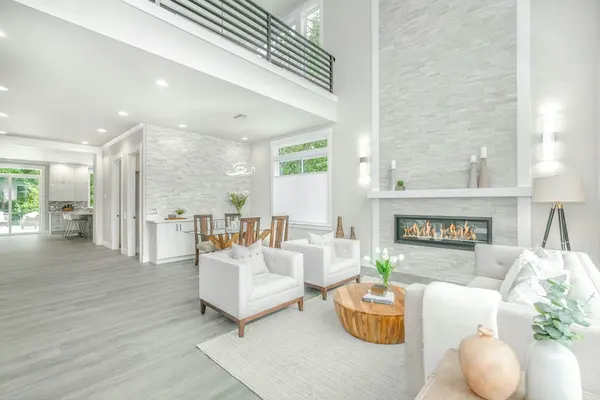
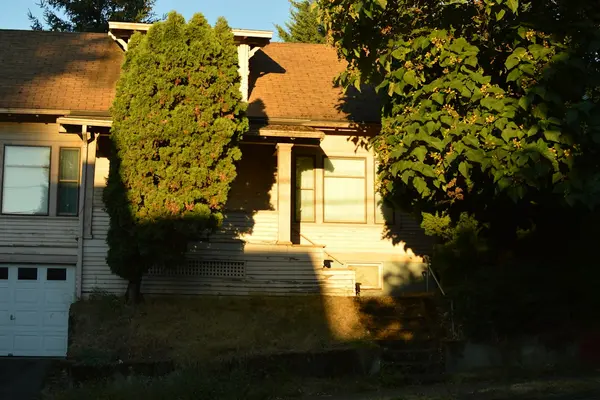
Buying a Home in Simpsonville, SC: What Buyers Should Know
Simpsonville sits just southeast of Greenville in Greenville County, and for a lot of buyers it answers a common question: how do I get a larger home, a real yard, and a manageable commute? The city has grown steadily, and its housing stock reflects that, with a mix of established neighborhoods and

Living in Greenville, South Carolina: A Local Homebuyer's Guide
Greenville, South Carolina has become one of the most talked-about places to live in the Southeast, and for buyers moving here from out of state, the city often turns out to be exactly what they hoped for: a walkable downtown, easy access to the Blue Ridge foothills, and a cost of living that still